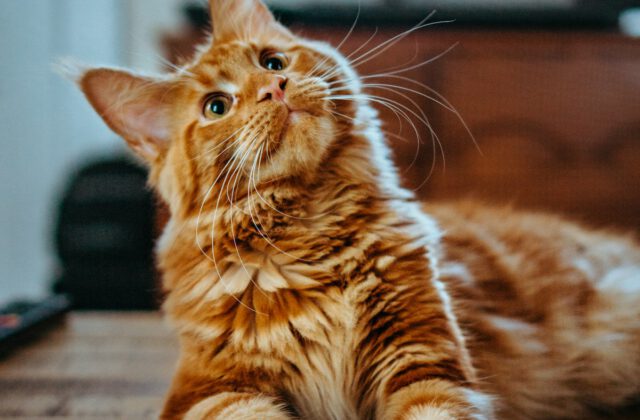
Because dogs and cats age much faster than humans, physical and cognitive changes can sneak up on even the most attentive pet parents. In veterinary medicine, dogs are generally considered senior around age seven (earlier for giant breeds), and cats reach senior status around age eight or nine.
Unlike humans, who openly express discomfort, animals have evolved survival instincts that compel them to mask pain or weakness. Understanding subtle behavioral shifts allows you to adjust their environment and support their golden years with compassion.
### Changes in Rest and Mobility
One of the earliest clues of aging is a subtle change in physical agility. You might notice your cat hesitating before leaping onto the window sill, choosing lower chairs instead, or taking a moment to stretch stiff back legs after rising. In dogs, reluctance to hop into the car or slower stair climbing is often dismissed as simple laziness, when in reality it reflects normal age-related joint stiffness.
### Changes in Thirst and Appetite
Pay close attention to daily water consumption. An increase in drinking and urination is one of the most common early indicators of metabolic shifts in aging pets, such as changes in kidney function or endocrine balance. Keeping a simple monthly log of how often you refill the water bowl helps your veterinarian catch developing concerns long before clinical signs advance.
### Cognitive Shifts and Sleep Cycles
Senior pets may occasionally experience cognitive changes similar to human aging. You might observe slight disorientation, pacing during the night, or vocalizing in dim rooms. Simple adaptations—like leaving soft nightlights on in hallways, placing memory-foam orthopedic beds away from chilly drafts, and keeping household furniture arrangements consistent—provide wonderful comfort.
Always discuss any changes in appetite, mobility, or demeanor with your primary licensed veterinarian. With thoughtful home adaptations and proactive care, senior pets can enjoy years of vibrant happiness.
The information on this website is for general educational purposes only and is not a substitute for professional veterinary advice, diagnosis or treatment. Always consult a licensed veterinarian about your pet’s health.