Maintaining a lean body weight is arguably the single most impactful lifestyle factor for extending your pet’s lifespan and preserving joint health. Numerous clinical studies indicate that pets kept at a lean body condition live an average of nearly two years longer than their overweight peers.
Yet, despite our best intentions, over 50% of domestic companion animals in the United States are carrying excess weight. Here is how pet owners can establish healthy, sustainable portion habits.
### Ditch the Imprecise Scoop
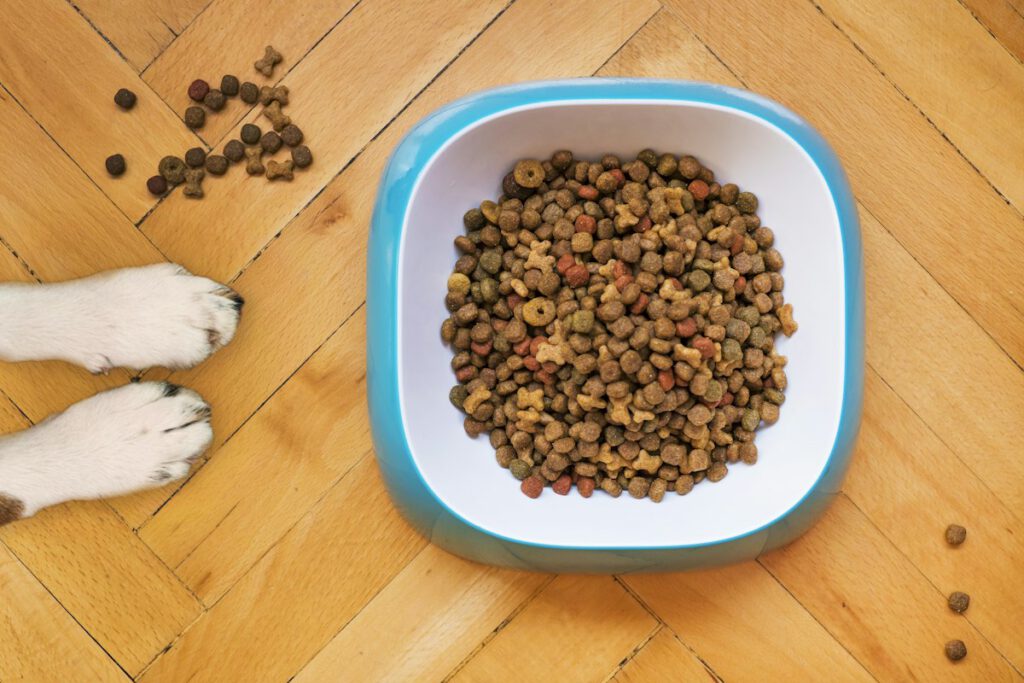
Most pet parents measure daily kibble with a plastic cup or mug. Studies have revealed that measuring kibble by eye or with measuring cups can result in accidental overfeeding by up to 20% to 30% per meal! Because pet food is calorie-dense, just ten extra kibbles a day for a small dog or cat can add noticeable poundage over a single year.
The solution is simple and inexpensive: use a standard digital kitchen scale to measure meals in grams. Check the nutritional label on your pet’s food bag for the recommended daily gram allowance, and divide that evenly between daily meals.
### Factor in Treats and Rewards
Treats are wonderful tools for positive reinforcement training, bonding, and enrichment. However, treats should never exceed 10% of your pet’s daily caloric intake. If you anticipate a heavy training session, take a portion of their daily measured kibble to use as training rewards, or substitute high-calorie commercial biscuits with veterinarian-approved fresh snacks like crunchy green beans or baby carrots for dogs.
### Assess Body Condition Score (BCS)
The bathroom scale doesn’t always tell the whole story. Familiarize yourself with the 9-point Body Condition Score chart:
1. **Rib feel:** You should easily feel your pet’s ribs under a light coat of skin without pressing through thick padding.
2. **Visible waist:** Looking from above, your pet should have a visible hourglass tuck behind their ribs.
3. **Abdominal tuck:** Looking from the side, their belly should slope upwards toward their back legs.
Always consult your licensed veterinarian before implementing a weight reduction plan to ensure steady, safe progress.
The information on this website is for general educational purposes only and is not a substitute for professional veterinary advice, diagnosis or treatment. Always consult a licensed veterinarian about your pet’s health.