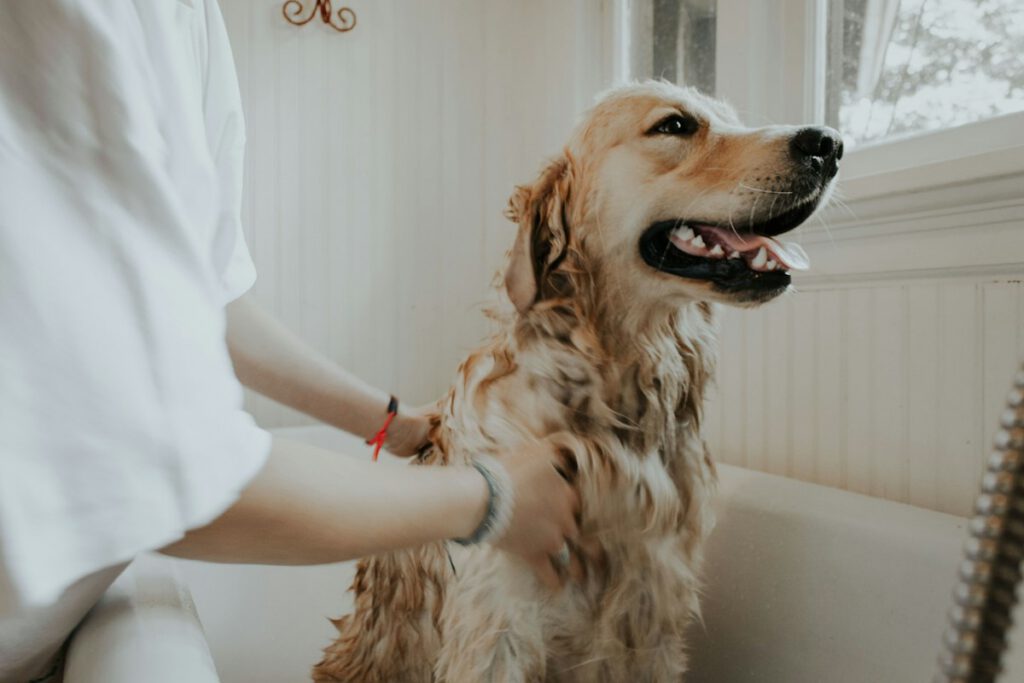
For many pet owners, unboxing a grooming brush sends their pet running beneath the sofa. When pets perceive grooming as restraint, they experience anxiety, which can lead to growling, swiping, or fleeing.
Yet regular coat care is critical: it removes dead undercoat fur, distributes natural skin oils, reduces hairballs in cats, and provides an ideal opportunity to inspect your pet’s skin for ticks, lumps, or hotspots. Here is how you can use cooperative care principles to turn grooming into a soothing, stress-free bonding moment.
### Step 1: The Brush as a Positive Cue
Leave the brush sitting calmly near your pet’s bed or food station. When your pet sniffs it voluntarily, offer a tasty treat. Do this for two days until your pet regards the grooming tool with curiosity rather than dread.
### Step 2: Stroke with the Back of the Brush
Before running sharp bristles through their fur, flip the brush over. Stroke your pet gently along their shoulder blades using the smooth plastic back of the brush while feeding a continuous stream of delicious treats (such as a peanut-butter lick mat for dogs or pureed meat tube for cats).
### Step 3: Short 60-Second Sessions
When you begin actual brushing:
– Brush in the direction of hair growth, never against it.
– Focus exclusively on comfortable areas first, such as the back of the neck and shoulders. Avoid sensitive zones like the tail, rear legs, and belly until trust is solidified.
– Keep early sessions capped at 60 seconds. Always release your pet before they show restlessness.
By respecting your pet’s comfort boundaries, brushing becomes an affectionate massage that strengthens your companionship.
The information on this website is for general educational purposes only and is not a substitute for professional veterinary advice, diagnosis or treatment. Always consult a licensed veterinarian about your pet’s health.