
Pet Dental Hygiene & Plaque Education
Step-by-step toothbrush habituation, veterinary dental product education, and gum health monitoring.

By age three, the vast majority of domestic dogs and cats show early signs of periodontal disease. While professional veterinary dental cleanings under anesthesia are essential, daily home care is the cornerstone of keeping teeth clean and breath fresh between cleanings.
Black Cat Beading educates owners on gentle, progressive toothbrushing techniques. We guide you through introducing enzymatic pet-safe toothpastes, finger brushes, soft-bristle brushes, and Veterinary Oral Health Council (VOHC) accepted dental chews.
We also coach you on recognizing the early signs of mouth discomfort—such as dropping food, pawing at the face, or red gums—so you know exactly when to contact your licensed veterinarian for clinical intervention.
Key Benefits of this Guidance Program
- Gentle 14-day toothbrush acceptance program using positive reinforcement
- Comprehensive review of VOHC-accepted water additives, treats, and gels
- Education on identifying tartar buildup versus healthy gum tissue
- Techniques to prevent tartar progression between annual veterinary cleanings
How Our Consultation Unfolds
Flavor Introduction
Introducing tasty enzymatic paste on fingers without brush pressure.
Lip Lift & Gum Familiarization
Gentle desensitization to mouth touches for 2-3 seconds at a time.
Soft Brushing Habit Building
Developing a steady 60-second evening routine that feels like a treat.
Frequently Asked Questions
Never! Human toothpaste contains foaming agents, fluoride, and often xylitol, which are toxic to pets. Always use enzymatic pet-formulated pastes.
The information on this website is for general educational purposes only and is not a substitute for professional veterinary advice, diagnosis or treatment. Always consult a licensed veterinarian about your pet’s health.
More Wellness Services for Your Pet
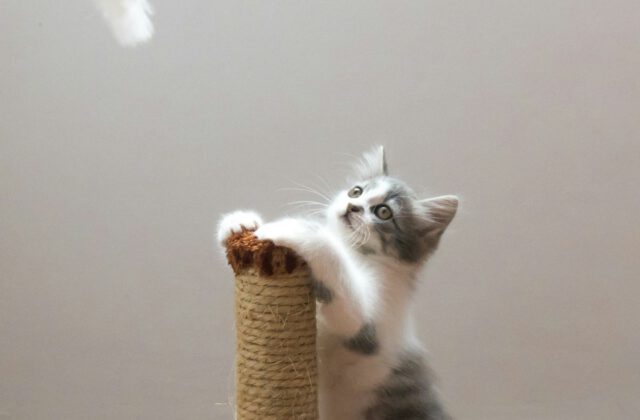
Cat & Dog Enrichment & Mental Stimulation
Boredom-busting brain games, scent work, vertical territory setups for indoor cats, and problem-solving puzzles.
View Program
Senior Pet Comfort & Gentle Mobility Guidance
Home accessibility adjustments, orthopedic bed selection, non-slip flooring setups, and aging pet comfort.
View Program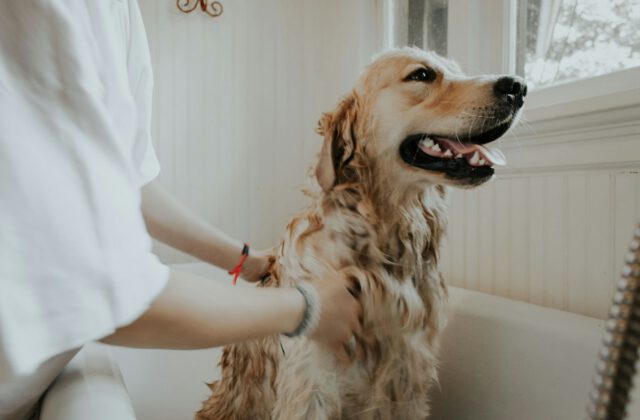
Stress-Free At-Home Grooming Education
Cooperative care training for nail trims, coat brushing, ear wipes, and low-stress bathing at home.
View Program